Best Gifts After Hip Replacement: What Actually Helps Recovery
Hip replacement recovery revolves around one rule: don't bend past 90 degrees. That single restriction makes everyday tasks, putting on socks, getting off the toilet, picking things up, suddenly impossible without the right equipment. These are the gifts that solve those exact problems.
Independently reviewed
10 products reviewed
Affiliate disclosure: Some links on this page are Amazon affiliate links. If you buy through them, we earn a small commission at no extra cost to you. Our recommendations are never influenced by this. We only include products we genuinely believe help recovery.
Hip replacement is one of the most common and most successful surgical procedures, but the recovery period catches people off guard. The 90-degree rule means you cannot bend at the hip to put on socks, tie shoes, sit on a low toilet, or pick anything up from the floor. For six to twelve weeks, tasks that took seconds now require equipment, planning, or someone else's help.
The gifts on this list are chosen specifically for that reality. Most are items the patient genuinely needs, and having them ready before surgery day makes the transition home far smoother. A few are for the long hours of sitting that fill the early weeks, because recovery involves a lot of waiting.
All links go to Amazon, where you can compare models and prices. We include both UK and US links. If you buy through our links, we may earn a small commission at no cost to you.
1 Mobility
Best Overall
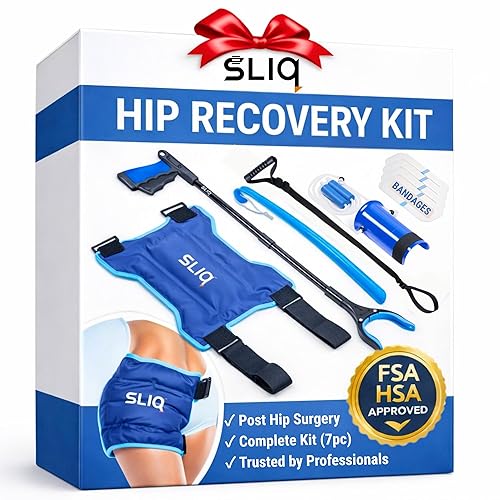
Hip Replacement Recovery Kit
The all-in-one kit that covers the things you literally cannot do for yourself.
After hip replacement, you cannot bend past 90 degrees. That means you cannot put on socks, reach your feet, pick things up from the floor, or put on shoes without help. A hip kit bundles the essentials into one box: a reacher/grabber, sock aid, long-handled shoe horn, and dressing stick. Every hip replacement patient needs these items, and most hospitals will tell you to have them ready before surgery. Gifting this before the operation is one of the most useful things you can do.
What we liked
Covers the four most common daily problems after hip replacement
Should be ready before the patient comes home
Compact and practical
Saves the patient from buying items separately
Worth noting
Quality varies between brands, check reviews carefully
Some kits include items that feel flimsy, look for sturdy construction
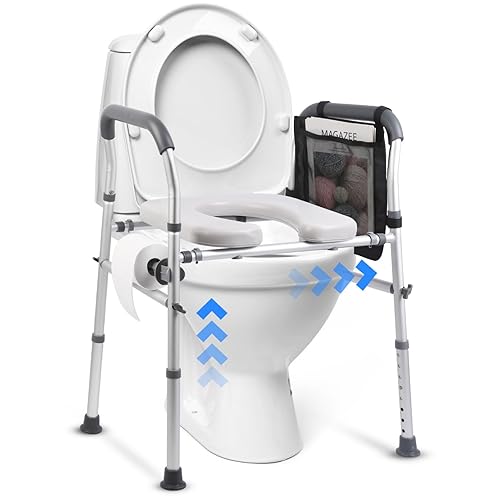
Because getting off a standard toilet puts the hip straight past 90 degrees.
This is probably the single most important piece of equipment after hip replacement. A standard toilet is too low, and sitting down or standing up from it forces the hip joint past the 90-degree limit. A raised toilet seat adds the extra height needed to keep the hip safe, and models with armrests give something to push up from. It sounds unglamorous, but every person who has been through hip replacement will tell you this was essential from day one.
What we liked
Prevents the most common movement restriction violation
Armrests make sitting and standing far safer
Easy to fit and remove
Used multiple times a day for weeks
Worth noting
Not the most exciting gift, but genuinely the most important
Keeps the legs apart during sleep so the new hip stays safe overnight.
After hip replacement, crossing the legs or letting the knees come together during sleep can dislocate the new joint. A knee separator wedge sits between the legs at night and keeps everything in the right position. The first few weeks of sleep after hip surgery are already difficult, and worrying about leg position on top of that makes it worse. This pillow removes that anxiety and lets the patient actually rest.
What we liked
Prevents accidental crossing of the midline during sleep
Getting in and out of bed is the hardest thing after hip surgery. This fixes it.
Getting out of bed after hip replacement involves swinging the legs over the side without bending the hip too far, then pushing yourself upright without twisting. It sounds simple until you try it with a fresh surgical wound and strict movement restrictions. A bed rail gives something solid to grip and push against, turning a difficult and slightly frightening manoeuvre into something manageable. It slides under the mattress and needs no tools to install.
What we liked
Makes the most difficult daily movement safe and manageable
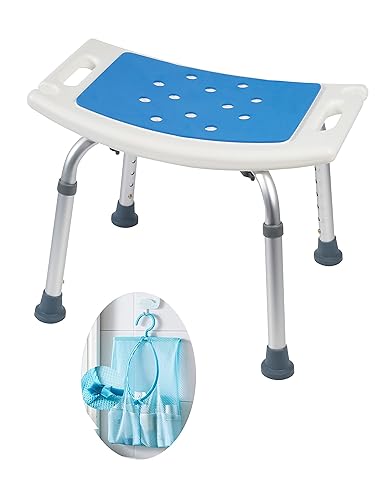
Standing in the shower for ten minutes is exhausting after major surgery. Sit down instead.
Fatigue after hip replacement is real, and standing in the shower uses energy and balance that are in short supply. A shower stool lets the patient sit safely while washing, and models with a back support prevent any risk of sliding. It also makes it possible to wash feet and lower legs without bending, which would otherwise be off-limits. Most physiotherapists recommend one for the first six to eight weeks at minimum.
What we liked
Eliminates the fatigue and fall risk of standing showers
Back support adds safety and comfort
Non-slip feet for wet surfaces
Lightweight and easy to move in and out
Worth noting
Needs enough space in the shower or bath
Cheaper models can feel unstable, invest in a solid one
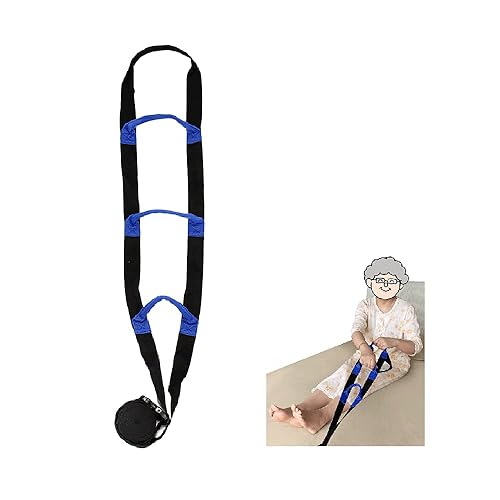
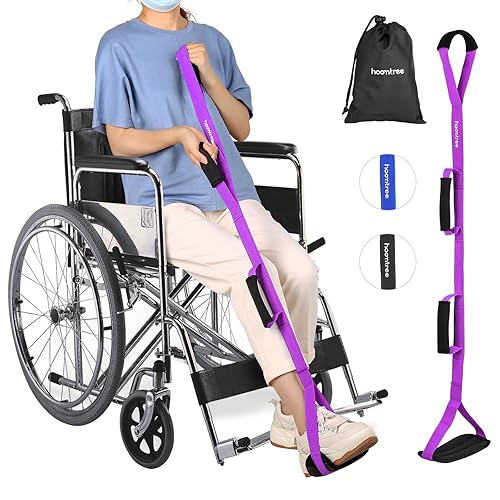
For getting a stiff, heavy leg in and out of bed and the car.
After hip replacement, the operated leg feels heavy and uncooperative. Lifting it into bed, out of the car, or onto a footrest requires bending the hip, which you cannot do yourself. A leg lifter strap loops around the foot and lets you use your arms to lift and move the leg without bending. It is a small, inexpensive item that solves a very specific and very frustrating problem multiple times a day.
What we liked
Solves the exact problem of moving a stiff leg safely
Essential for getting in and out of cars
Very affordable
Lightweight and portable
Worth noting
Simple product, not much to go wrong
Loop size may need adjusting for different footwear
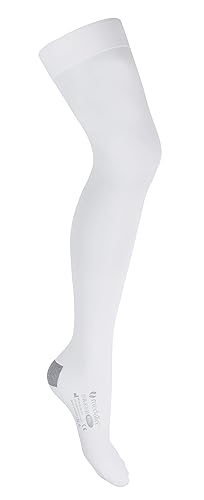
Blood clots are the silent risk after hip surgery. These help prevent them.
Deep vein thrombosis is one of the most serious risks after hip replacement, and compression stockings are a standard part of prevention alongside medication. They improve blood flow in the legs during the weeks when mobility is limited. The hospital will likely provide a pair, but having extras means there is always a clean pair ready. Look for graduated compression stockings specifically designed for post-surgical use.
What we liked
Directly supports DVT prevention
Hospitals recommend them as standard
Having multiple pairs means always having a clean one
Affordable and practical
Worth noting
Can be difficult to put on, a stocking aid helps
Must be the correct compression level, check with the surgical team
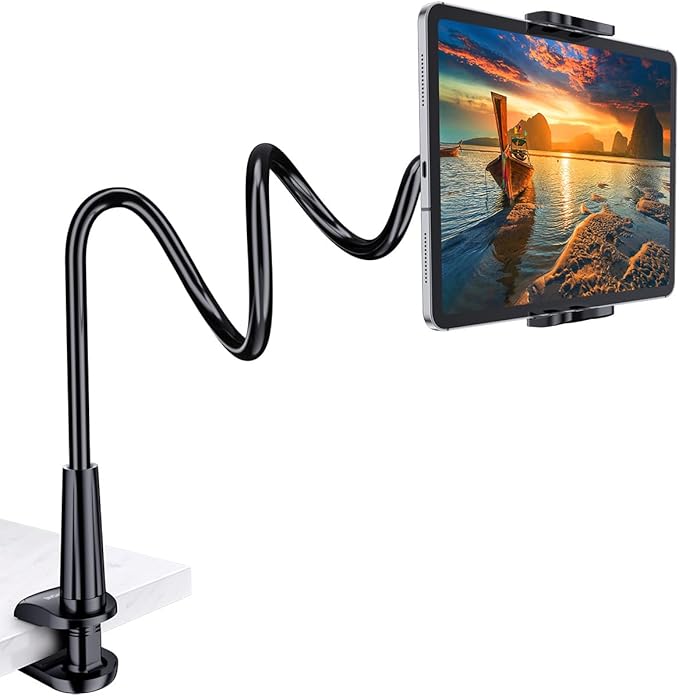
Weeks of sitting in one spot are easier with hands-free entertainment.
Hip replacement recovery involves a lot of sitting. The first few weeks are spent in a chair or in bed with limited ability to move around. A gooseneck arm stand clamps to a table or bed frame and holds a phone or tablet at any angle, perfect for video calls, films, reading, or just scrolling. It means no holding a device overhead, no propping it on pillows, and no neck strain from looking down.
What we liked
Used multiple times every day
Works with any phone or tablet
Adjustable to any angle and position
Affordable and practical
Worth noting
Clamp width varies, check table or bed frame thickness
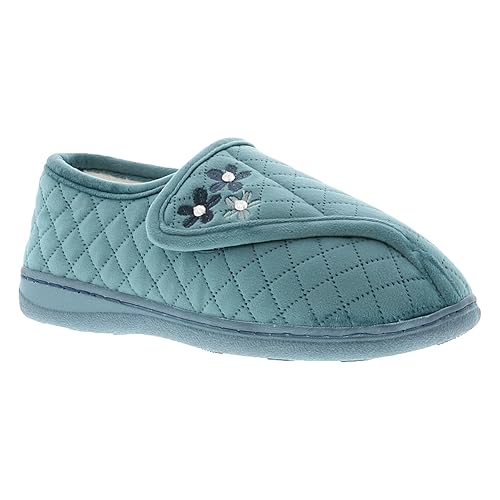
Slip-on shoes are banned after hip replacement. These are the safe alternative.
Open-backed slippers and slip-on shoes are not safe after hip replacement because they require the foot to shuffle and grip, which changes the gait and increases fall risk. Non-slip slippers with a firm back and a proper sole give secure footing on hard floors and carpet alike. Falls after hip replacement can be catastrophic, so proper footwear is not optional. Look for ones that are easy to put on without bending, ideally with a wide opening.
What we liked
Non-slip sole reduces fall risk on all surfaces
Firm back keeps the foot secure
Wide opening makes them easier to put on
Comfortable for all-day indoor wear
Worth noting
Sizing can run differently from normal shoes
May still need a long-handled shoe horn to get them on
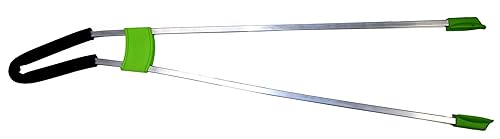
Pick things up without bending. You will use this dozens of times a day.
Dropping something on the floor after hip replacement means it stays there until someone else picks it up, or until you have a reacher tool. The 90-degree bending restriction makes it impossible to reach the floor, low shelves, or anything below waist height. A good quality grabber with a comfortable grip and a reliable jaw becomes an extension of the arm. Most hip replacement patients say this is the item they used more than any other during recovery.
What we liked
The most frequently used recovery tool by far
Lightweight and easy to operate with one hand
Useful around the house, not just in the bedroom
Affordable enough to have one on each floor
Worth noting
Cheaper models can have a weak grip, invest in a decent one
Our Gift Finder asks a few quick questions about the person you're shopping for and recommends the most relevant options based on their surgery type, priorities, and preferences.
What equipment is essential after hip replacement surgery?
The absolute essentials are a raised toilet seat, a hip kit (reacher, sock aid, shoe horn, dressing stick), a knee separator pillow for sleeping, and a leg lifter strap. These items address the four biggest daily challenges: using the toilet, getting dressed, sleeping safely, and moving the operated leg. Most hospitals provide a list before surgery, and having everything set up at home before the patient returns makes a significant difference to the first few days.
What should I avoid giving someone after hip replacement?
Avoid anything that requires bending, twisting, or getting down to floor level. Low chairs, floor cushions, and anything heavy that needs carrying are not helpful. Also avoid gifts that encourage activity too soon, like gym equipment or walking boots, as the surgical team will set the pace for increasing movement. Stick to items that solve the specific restrictions of the first six to twelve weeks.
When is the best time to give a gift after hip replacement?
The most impactful time is before the surgery. Having equipment set up at home, the raised toilet seat fitted, the bed rail in place, the hip kit ready, means the patient can focus on recovering rather than scrambling to buy things from a hospital bed. If you are gifting after the operation, the first week home is when practical items are most needed and most appreciated.
How long does hip replacement recovery take?
Most people are walking with a frame or crutches within a day or two of surgery. The strict 90-degree bending restriction typically lasts six to twelve weeks, depending on the surgeon and the type of approach used. By three months, most daily activities can be resumed. Full recovery, including return to sport or heavy physical work, can take six to twelve months. The first six weeks are the most equipment-intensive period.
Can I give the same gifts for hip replacement as for other surgeries?
Some general recovery gifts work well, like a tablet arm stand, aromatherapy sets, or a Kindle. But hip replacement has very specific equipment needs that other surgeries do not. The raised toilet seat, knee separator pillow, leg lifter, and hip kit are unique to hip and knee replacement recovery. If you want to give something truly useful, focus on those specific items first, then add a comfort or entertainment gift alongside.
Medical Disclaimer: The products listed here are provided as suggestions only and do not constitute medical advice. Your surgeon or physiotherapist may have specific recommendations for your situation. Always check with your clinical team before purchasing or using recovery equipment.