The body heals most efficiently when it is calm, comfortable, and well-rested. These gifts are chosen to create exactly that environment, practical comfort that makes difficult days easier.
Independently reviewed
6 products reviewed
Affiliate disclosure: Some links on this page are Amazon affiliate links. If you buy through them, we earn a small commission at no extra cost to you. Our recommendations are never influenced by this. We only include products we genuinely believe help recovery.
Comfort gifts work at their best when they address a specific recovery challenge. A wedge pillow solves the problem of not being able to find a comfortable sleeping position. A silk sleep mask protects the sleep that healing depends on. A lavender diffuser shifts the emotional tone of a room from clinical to calm.
The six items below are chosen for their practical impact on comfort, not just their appearance. Each one addresses a real recovery experience, and all of them work for a wide range of surgery types and ages.
All links go to Amazon UK and US with affiliate tags. We earn a small commission on purchases at no extra cost to you.
1 Comfort
Best Overall
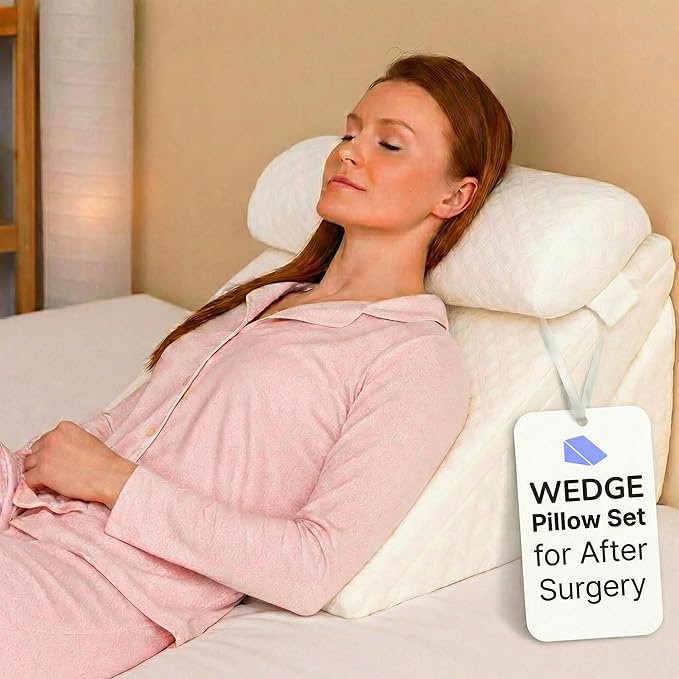
Adjustable Wedge Pillow Set
Repositionable foam support that makes resting genuinely comfortable.
A wedge pillow set is the cornerstone comfort gift for surgical recovery. The foam wedges stack, separate, and reconfigure to support almost any post-operative position: elevated legs after knee or hip surgery, propped torso for cardiac or abdominal recovery, or simply a better sleeping angle for anyone struggling with disrupted nights. Most hospital-grade recovery positions can be replicated at home with a good wedge set, and the difference in comfort is immediate.
What we liked
Versatile across surgery types and positions
Provides relief from the very first night home
Foam holds its shape through weeks of use
Can be used beyond the recovery period
Worth noting
Takes up meaningful space in a bedroom
Some people find foam too warm, look for breathable covers
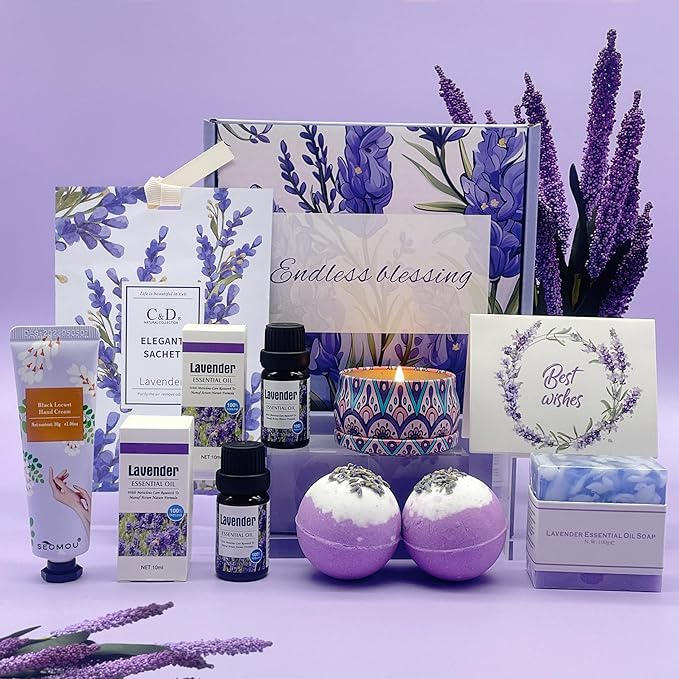
Evidence-backed calm in a beautifully presented package.
Lavender's calming properties aren't just anecdote, peer-reviewed research consistently shows it reduces cortisol, lowers anxiety, and improves sleep quality. In a recovery context, all three of those outcomes are genuinely valuable. A quality lavender gift set (essential oil, room spray, soy candle) introduces scent into the recovery environment in a way that feels luxurious rather than clinical. Works beautifully as a standalone gift or the centrepiece of a care package.
What we liked
Therapeutic effect is supported by research
Arrives gift-ready in most cases
Works for patient or carer
Suitable for almost all surgery types
Worth noting
Some people develop fragrance sensitivity post-anaesthetic, introduce gradually
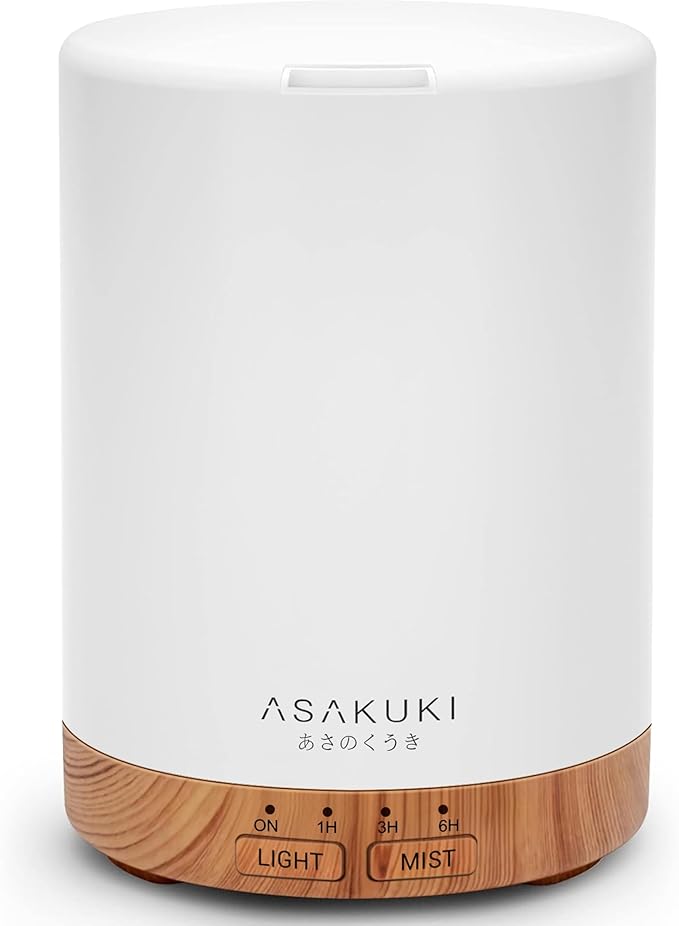
A whisper-quiet way to fill the recovery room with calm.
A good ultrasonic diffuser runs silently, disperses essential oils as a fine cool mist, and can run for hours on a single fill. It transforms a recovery room from a clinical, slightly anxious space into something that feels more like a rest environment. Pair it with lavender, eucalyptus, or chamomile oils. The cool mist also adds a little humidity to the air, which can be soothing in centrally-heated recovery rooms. A thoughtful step up from a basic candle.
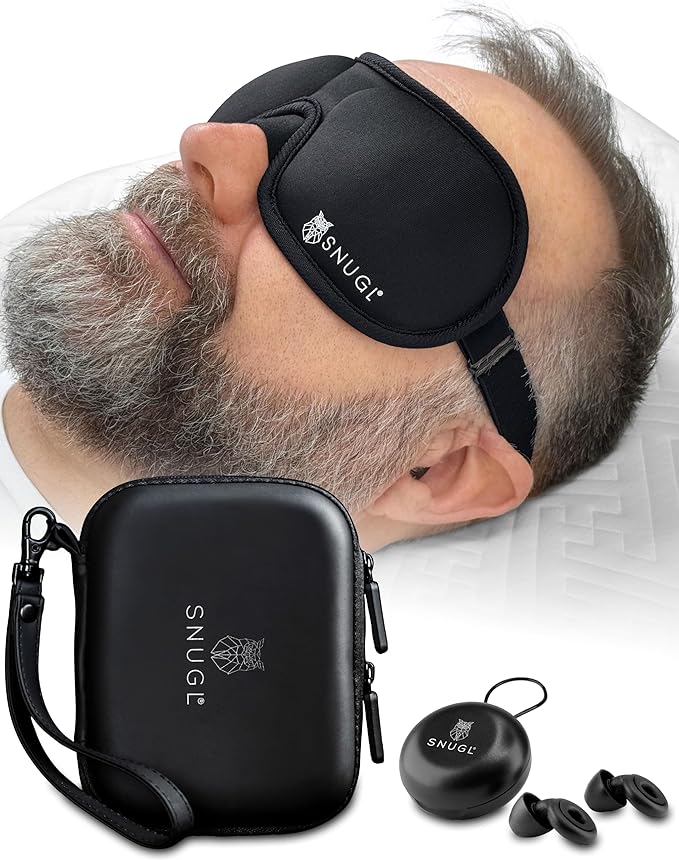
Protecting recovery sleep is one of the best things you can do.
Sleep is when the body heals, wound repair, immune activity, and tissue regeneration all peak during deep sleep. Yet disrupted sleep is one of the most common complaints post-surgery, driven by pain, medication schedules, hospital or household noise, and altered light exposure. A silk sleep mask and quality ear plugs address several of those disruptions at once. The silk matters: it's cooler and softer than synthetic materials, and that comfort difference keeps the mask on through the night.
What we liked
Directly supports the most important recovery activity: sleep
Silk feels noticeably better than synthetic alternatives
Compact, works as a standalone gift or package addition
Affordable for the quality
Worth noting
Not for everyone, some people find face coverings uncomfortable
Comfort that respects the movement restrictions of recovery.
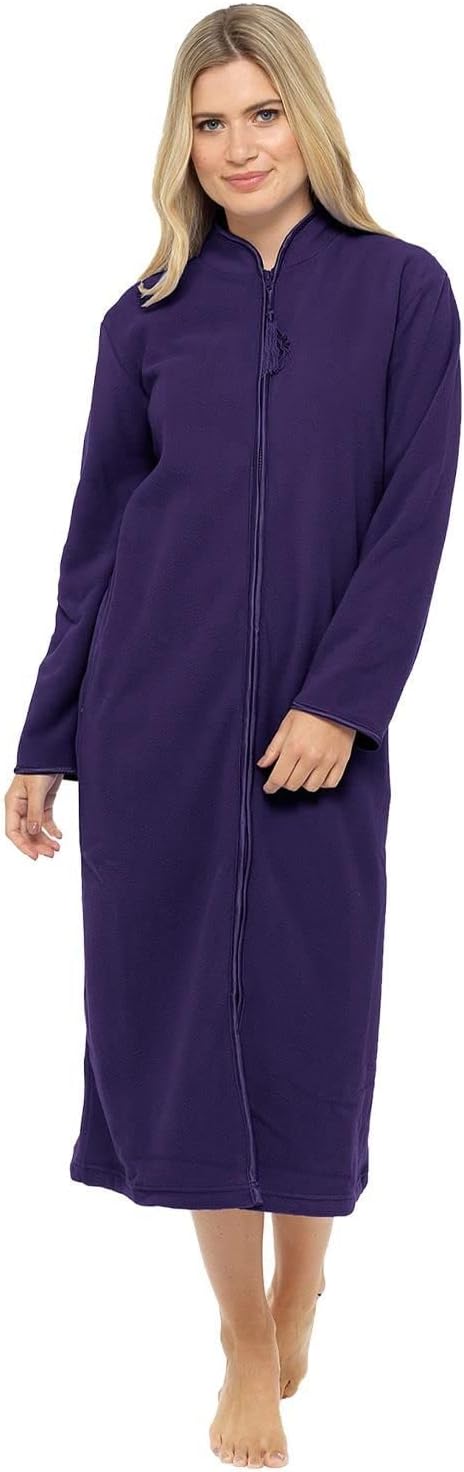
A zip or button-front dressing gown is an often-overlooked but deeply practical comfort gift. After chest, cardiac, shoulder, or upper-body surgery, pulling garments over the head is painful or outright contraindicated. A front-opening robe solves this completely. Beyond the functional benefit, there's something about a genuinely luxurious robe, plush fabric, a good weight, a deep pocket, that makes the long days of rest feel slightly more dignified. It's the kind of gift that gets worn every single morning.
What we liked
Works within post-surgical movement restrictions
Worn daily throughout the recovery period
Available across a wide price range
Practical and genuinely appreciated
Worth noting
Size is important, consider ordering a size up for comfort
Makes sitting bearable for the hours that can't be spent lying down.
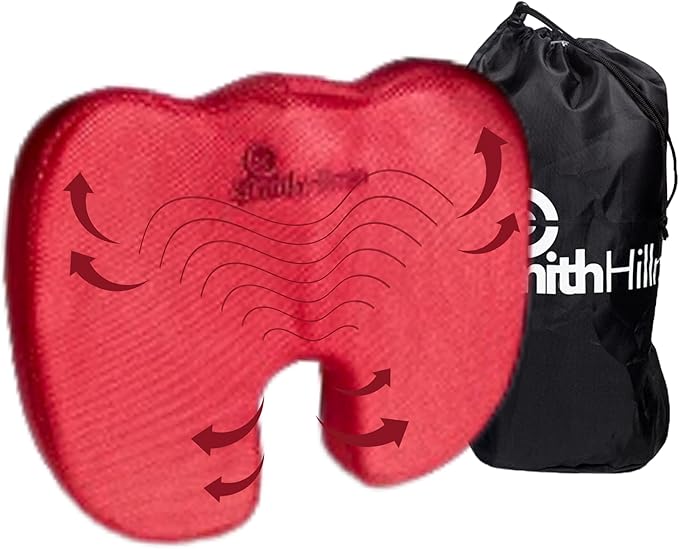
Recovery isn't spent entirely in bed, people need to move to chairs, sofas, and car seats for appointments. An orthopaedic coccyx seat cushion takes pressure off the tailbone and hips, making extended sitting far more bearable after abdominal, hip, or lower-back surgery. Memory foam contours to the body rather than compressing under weight. It's also useful for the car journeys to post-operative appointments that no one enjoys.
What we liked
Immediately reduces sitting discomfort
Portable, works on any chair, sofa, or car seat
Memory foam holds shape through repeated use
Budget-friendly
Worth noting
May look clinical, some people prefer to use it at home only
Thickness varies, check dimensions against low chairs
The most appreciated comfort gifts after surgery are those that address the specific discomforts of recovery: poor sleep, restricted movement, long hours in one position, and anxiety. Wedge pillows, silk sleep masks, aromatherapy sets, and soft robes consistently rank as the most used and most remembered. Practical comfort beats decorative sentiment every time.
Is aromatherapy safe after surgery?
Generally yes, with some care. Most essential oils are safe to use as room diffusers or on the skin in diluted form during recovery. However, some people experience heightened sensitivity to scents in the days immediately after anaesthetic. Introduce new fragrances gradually, keep diffuser use to short periods initially, and avoid applying undiluted essential oils to healing skin. Lavender, chamomile, and frankincense are among the gentlest options.
What type of pillow is best for post-surgery comfort?
Wedge-shaped foam pillows are the most versatile option because they can be repositioned to support different body parts as recovery needs change. For orthopaedic surgery, elevating the affected limb is often essential. For cardiac or abdominal surgery, a partially upright sleeping position is often more comfortable. A wedge set gives you those options without buying multiple different pillows.
How can I help someone sleep better after surgery?
Several things make a meaningful difference to post-surgery sleep: reducing noise and light with a good sleep mask and ear plugs, improving sleeping position with a wedge pillow, using calming scents like lavender in the room, and maintaining a consistent sleep schedule despite disruption. The physical environment matters a lot when the body is trying to heal, these gifts directly improve it.
Are comfort gifts appropriate for all types of surgery?
Yes. Comfort gifts work for all surgery types because they address universal recovery experiences: disrupted sleep, restricted movement, anxiety, and the tedium of long rest periods. The specific items may vary slightly, a wedge pillow is especially useful after orthopaedic or cardiac surgery, for example, but all the items in this guide have broad applicability.
Medical Disclaimer: The products listed here are provided as suggestions only and do not constitute medical advice. Your surgeon or physiotherapist may have specific recommendations for your situation. Always check with your clinical team before purchasing or using recovery equipment.