Practical aids make the difference between needing help with everything and being able to manage independently. These are the pieces of equipment that matter most in a home recovery.
Independently reviewed
6 products reviewed
Affiliate disclosure: Some links on this page are Amazon affiliate links. If you buy through them, we earn a small commission at no extra cost to you. Our recommendations are never influenced by this. We only include products we genuinely believe help recovery.
Independence during recovery isn't just practical, it matters psychologically. Being able to dress yourself, shower safely, and get in and out of bed without calling for help preserves dignity and reduces the emotional weight of the recovery period for both patient and carer.
The six items below are chosen for their real-world impact on day-to-day recovery. They are honest, practical gifts, less sentimental than a dressing gown, but often more remembered. If you know someone recovering from orthopaedic surgery in particular, this is the guide to share.
All links go to Amazon UK and US with affiliate tags. Purchasing through our links earns us a small commission at no extra cost to you.
1 Mobility
Best Overall
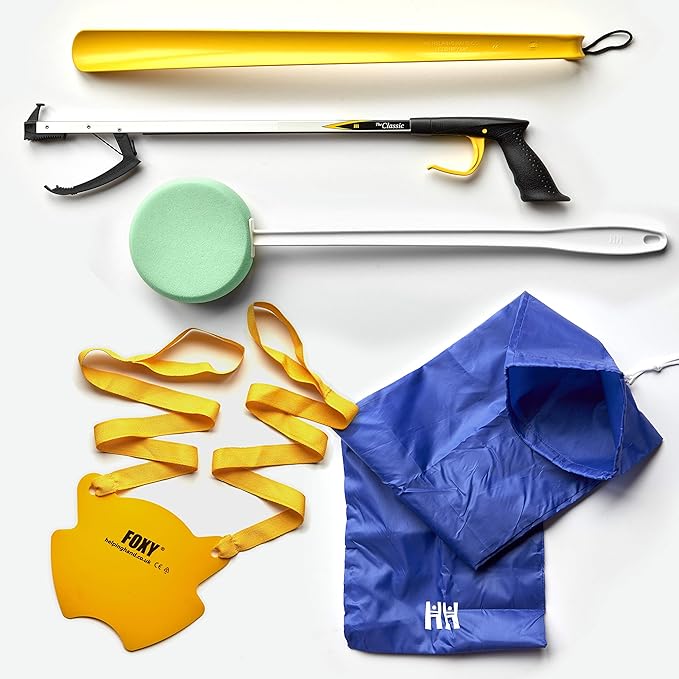
Long-Handled Reaching & Dressing Aid Kit
The gift that gives independence back.
A complete dressing and reaching aid kit, typically including a long-handled reacher, a sock aid, a long-handled shoe horn, and a dressing stick, is the single most impactful practical gift for orthopaedic and abdominal recovery. After hip or knee surgery, bending to put on socks or pick up a dropped item is not just difficult: it may be prohibited. This kit makes those things possible without bending, without asking for help, and without risking the repair. The independence it restores is genuinely life-changing in the early weeks.
What we liked
Eliminates the need to bend or stretch in ways that are restricted post-surgery
Covers multiple daily tasks with one kit
Restores dignity and independence
Compact and easy to keep within reach
Worth noting
Highly practical rather than emotional, consider pairing with a softer gift
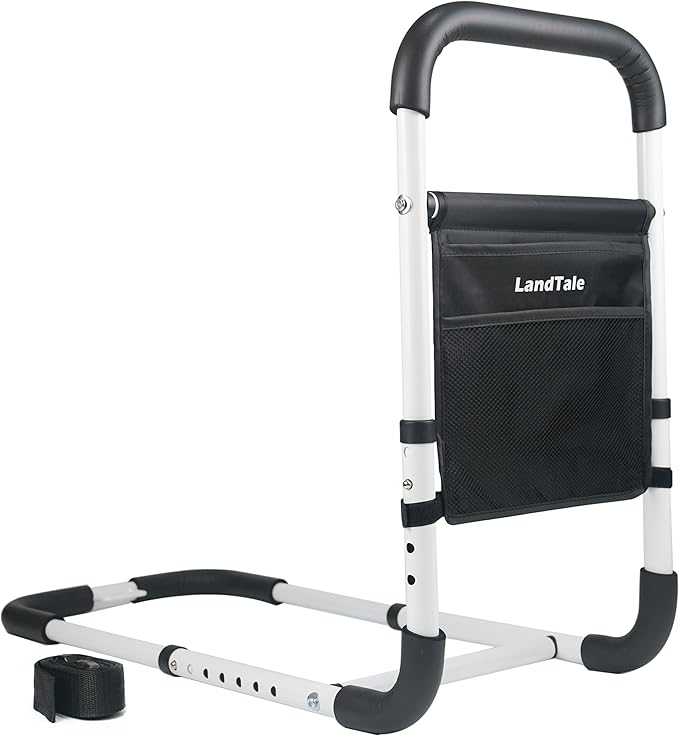
Safe, firm support for getting in and out of bed independently.
Getting in and out of bed is one of the most physically demanding tasks in the early weeks after surgery, and one of the most likely moments for a fall or a strain. A bed rail that slots under the mattress provides a firm, fixed handle to push up from and lower down with. It removes the need to roll awkwardly or ask someone to pull you up. Models vary from simple single-handle designs to full rail systems. The discreet under-mattress fitting means it doesn't permanently change the look of the bedroom.
What we liked
Significantly reduces fall risk at the most vulnerable moment of the day
Installs without tools
Discreet and doesn't look clinical
Universally useful across surgery types
Worth noting
Check weight rating and mattress thickness for compatibility
Some cheaper versions can shift under pressure, invest in a quality model
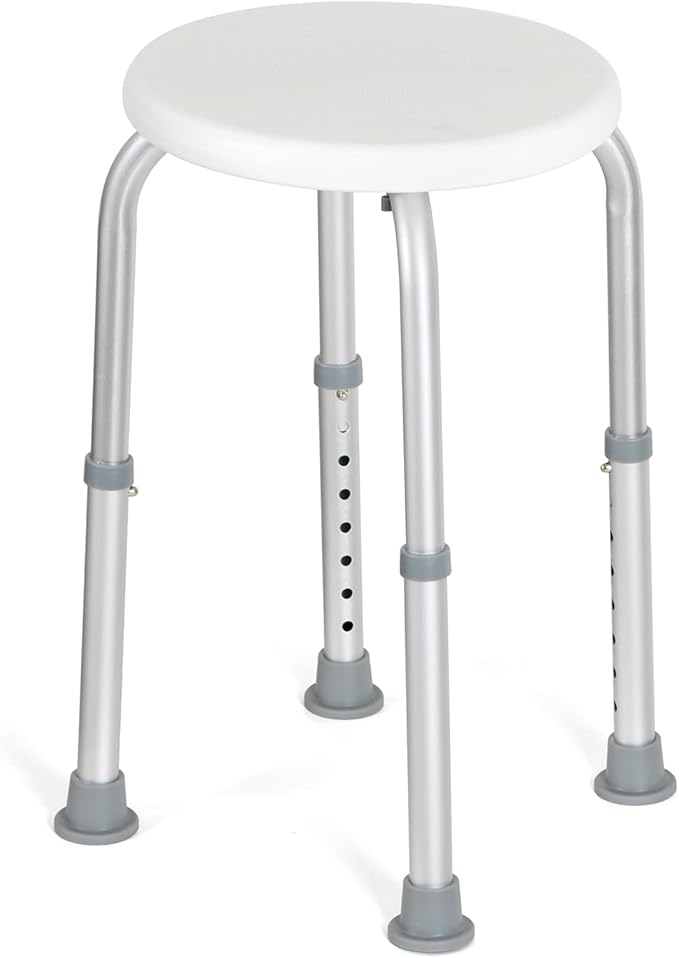
Allows safe showering from a seated position in the first weeks home.
Standing in the shower for any length of time is exhausting and risky in the first weeks after surgery. A lightweight shower stool allows someone to shower safely while seated, reducing fatigue and the risk of a fall on a wet floor. Look for aluminium frame models, they're rust-resistant, genuinely lightweight, and easy to lift in and out. Non-slip rubber feet are essential. A stool also makes shower routines more relaxed, which matters when everything else about recovery feels effortful.
What we liked
Reduces fall risk during one of the most vulnerable daily activities
Aluminium frame is rust-resistant and light
Non-slip feet provide stable footing on wet floors
Quick to assemble and remove
Worth noting
Shower base needs to accommodate a seated position, check measurements
Walk-in showers work best; some bath-shower combos are more awkward
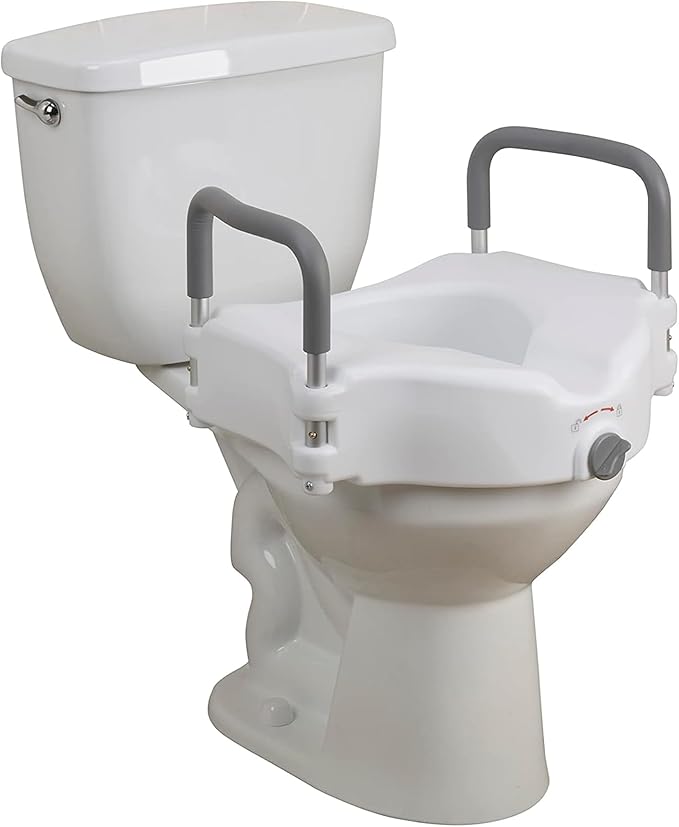
Reduces strain on hips and knees at one of the most difficult moments in recovery.
Lowering oneself onto a standard toilet and rising from it requires bending the hip and knee past 90 degrees, which is precisely the movement that is prohibited after hip or knee replacement surgery. A raised toilet seat reduces how far down the person needs to go, keeping joint angles within safe limits. The side handles provide extra support for lowering and rising. It's a frank, functional gift that makes a real difference to both safety and independence.
What we liked
Essential after hip and knee replacement surgery
Side handles provide crucial support when rising
Fits most standard toilet bowls
Significantly reduces injury risk during a high-risk daily task
Worth noting
Verify compatibility with toilet model, some designs fit better than others
A practical gift that may feel clinical, frame it with care
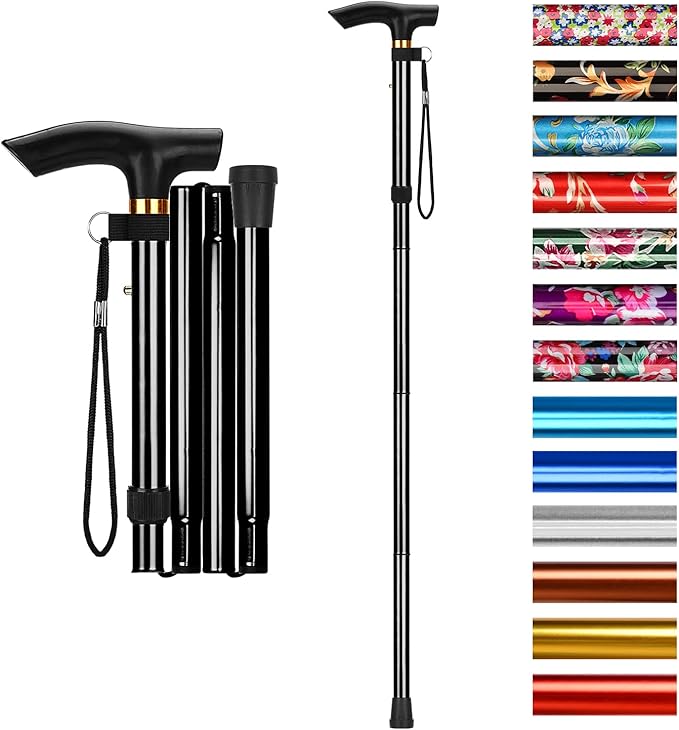
Standard NHS or hospital-issue canes are functional but uninspiring, and the way a cane looks affects whether someone actually uses it in public. A well-designed adjustable cane in a stylish finish changes that. Look for a comfortable ergonomic handle, a lightweight aluminium shaft, and a non-slip rubber ferrule. The adjustable height is important: it should be set so the elbow bends at approximately 15 degrees when standing. A cane that looks and feels good is a cane that gets used consistently.
What we liked
Encourages consistent use, appearance actually matters here
Adjustable height fits most adults
Lightweight and easy to carry
Available in a range of designs to suit different tastes
Worth noting
Walking cane technique benefits from a brief explanation, include a note or link
Not suitable as the primary aid after major orthopaedic surgery where crutches or a frame are needed
Takes the strain out of sitting, especially during post-op appointments.
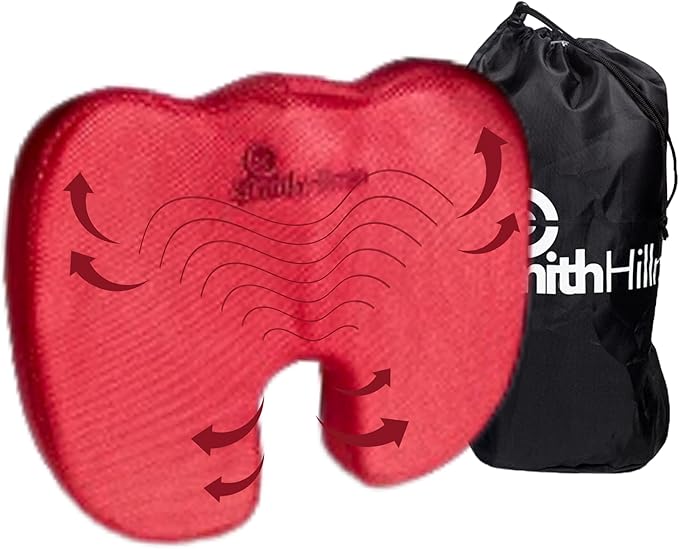
An orthopaedic memory foam seat cushion with a coccyx cutout reduces pressure on the tailbone and hips, making extended sitting significantly more comfortable after abdominal, hip, or lower-back procedures. It's particularly useful for car journeys to follow-up appointments, often the most uncomfortable part of early recovery. The cushion compresses slightly under weight but holds enough shape to maintain its orthopaedic benefit. Easy to move between chairs, the car, and the sofa.
What we liked
Portable, use on any chair, car seat, or sofa
Memory foam provides meaningful pressure relief
Budget-friendly and practical
Helps with the car journeys most post-operative patients dread
Worth noting
Some users find the coccyx cutout slightly shifts position over time
Some people feel self-conscious about receiving practical medical aids as gifts. If you're unsure how it will land, consider framing the gift practically: "I thought this would make things easier in the first few weeks." Most people find that when they actually use the aid and feel the benefit, any awkwardness disappears quickly. The reaching kit and the bed rail in particular are almost universally appreciated once in use.
Looking for something more personal?
Browse our comfort and wellbeing guide for softer, more sentimental gifts, or combine a practical aid with something from our care packages guide.
It depends on the surgery type. After orthopaedic surgery (hip, knee, shoulder), a reaching and dressing aid kit is almost universally needed. A bed rail provides daily safety for anyone who struggles to get in and out of bed unassisted. A shower stool is valuable for anyone whose stamina is reduced in the first weeks. A raised toilet seat is essential after hip or knee replacement. Your surgical team will advise on what's needed, these items are a useful starting point.
Should I get mobility aids before surgery or after?
Before is almost always better. Setting up mobility aids before the operation means everything is in place when the person comes home, and the first few days at home are typically the most difficult. Bed rails, shower stools, raised toilet seats, and reaching aid kits can all be installed and tested before surgery so there's nothing to figure out during the recovery itself.
Are mobility aids available on the NHS?
Some are. Occupational therapists attached to surgical teams will often assess patients before discharge and arrange for certain aids, particularly raised toilet seats and bed rails, to be provided. However, availability varies by trust and waiting times can be unpredictable. Buying independently means the equipment is in place on day one, in the right size and style, without needing to chase a referral.
What mobility aids are needed after hip replacement surgery?
After hip replacement, the key pieces of equipment are: a reaching and dressing aid kit (to avoid bending past 90 degrees), a raised toilet seat with handles (for the same reason), a bed rail (to help with getting up), and sometimes a shower stool. A walking frame or crutches are typically provided by the hospital. Your physiotherapist will give specific guidance on what your hip restrictions allow.
How long will mobility aids be needed?
Most people need mobility aids most intensively in the first four to six weeks post-surgery. Many can reduce their use as mobility improves through physiotherapy. Some aids, like a well-designed walking cane or an orthopaedic seat cushion, may remain useful well beyond the formal recovery period. The reaching aid kit in particular often becomes a household staple that gets used long after surgery.
Medical Disclaimer: The products listed here are provided as suggestions only and do not constitute medical advice. Your surgeon or physiotherapist may have specific recommendations for your situation. Always check with your clinical team before purchasing or using recovery equipment.